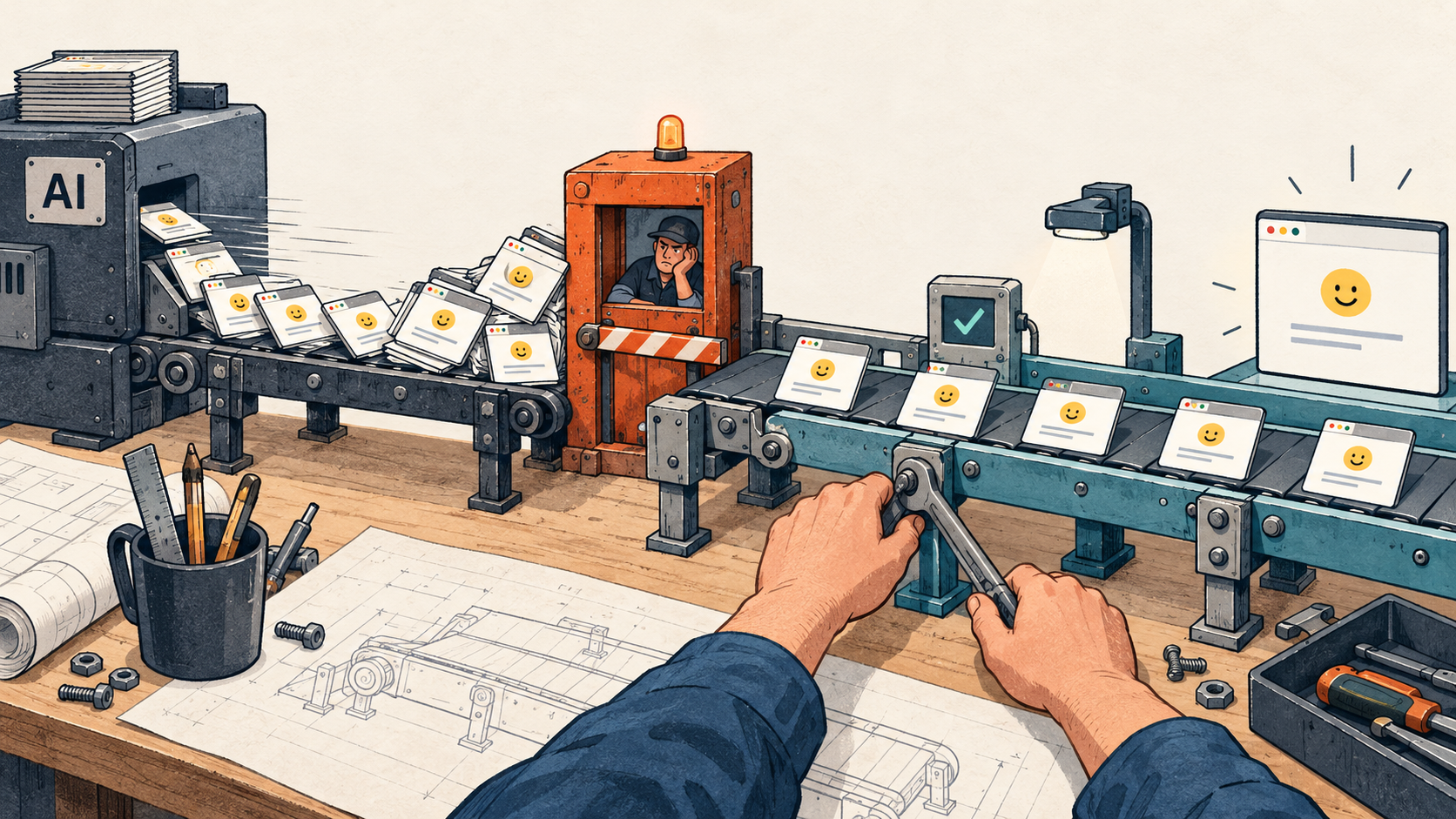
My case for putting software engineering back at the center of the AI conversation.
I am excited about what AI can bring to software development. When I read about teams using agents to implement features, test their work, and open merge requests, I can see why we want to move quickly.
But there is a question I keep coming back to: how quickly can we deliver a change today, without AI?
... ➦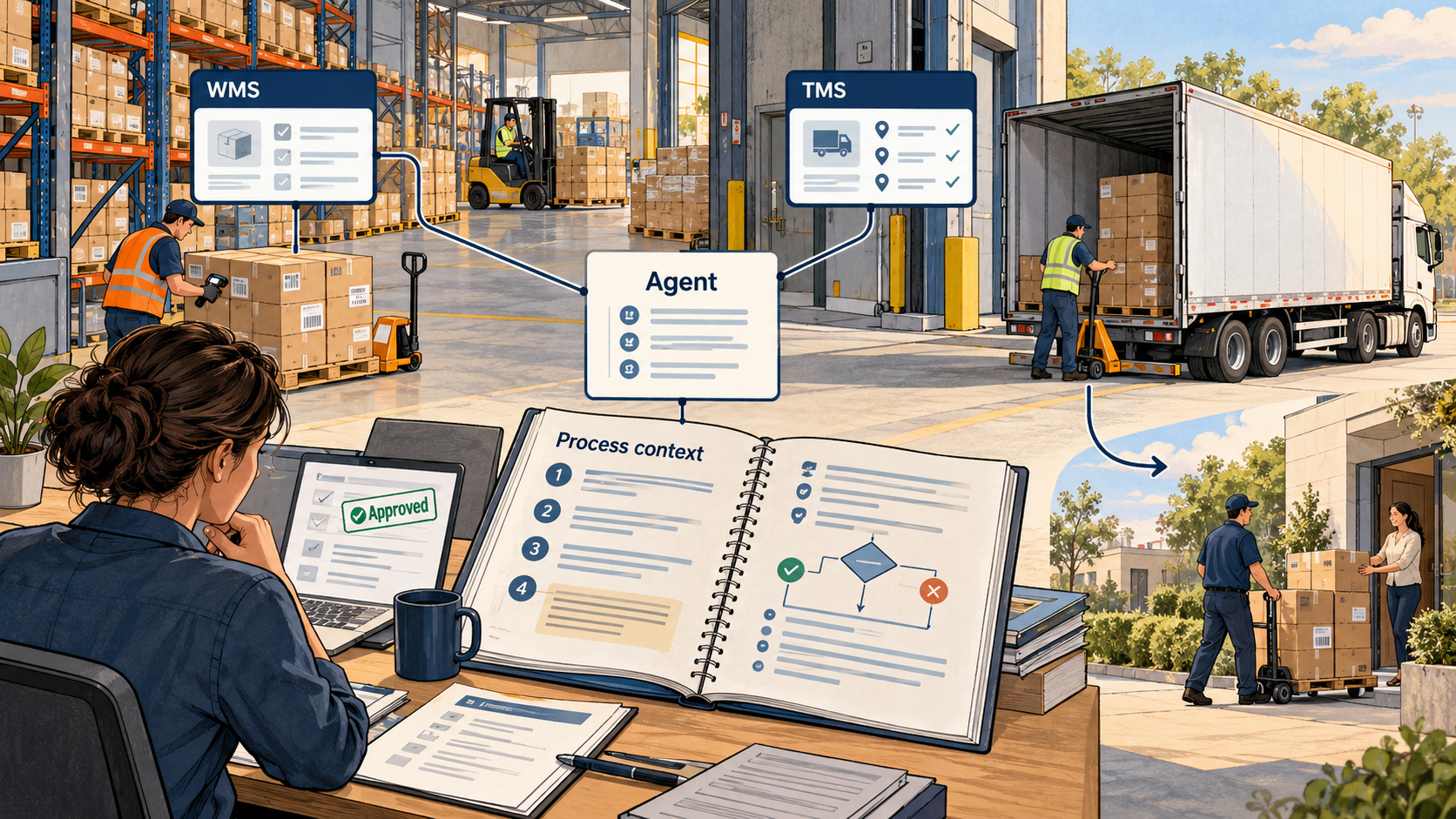
How connected capabilities can help us recover a customer order across the value chain
A customer expects 100 units on Friday. On Wednesday morning, the warehouse finds that only 60 are available.
Customer service checks the order. A planner looks for stock elsewhere. The warehouse checks what can be picked, and transport looks for a truck. Someone compares the options, gets approval for the extra cost, and makes sure the customer hears a consistent answer.
... ➦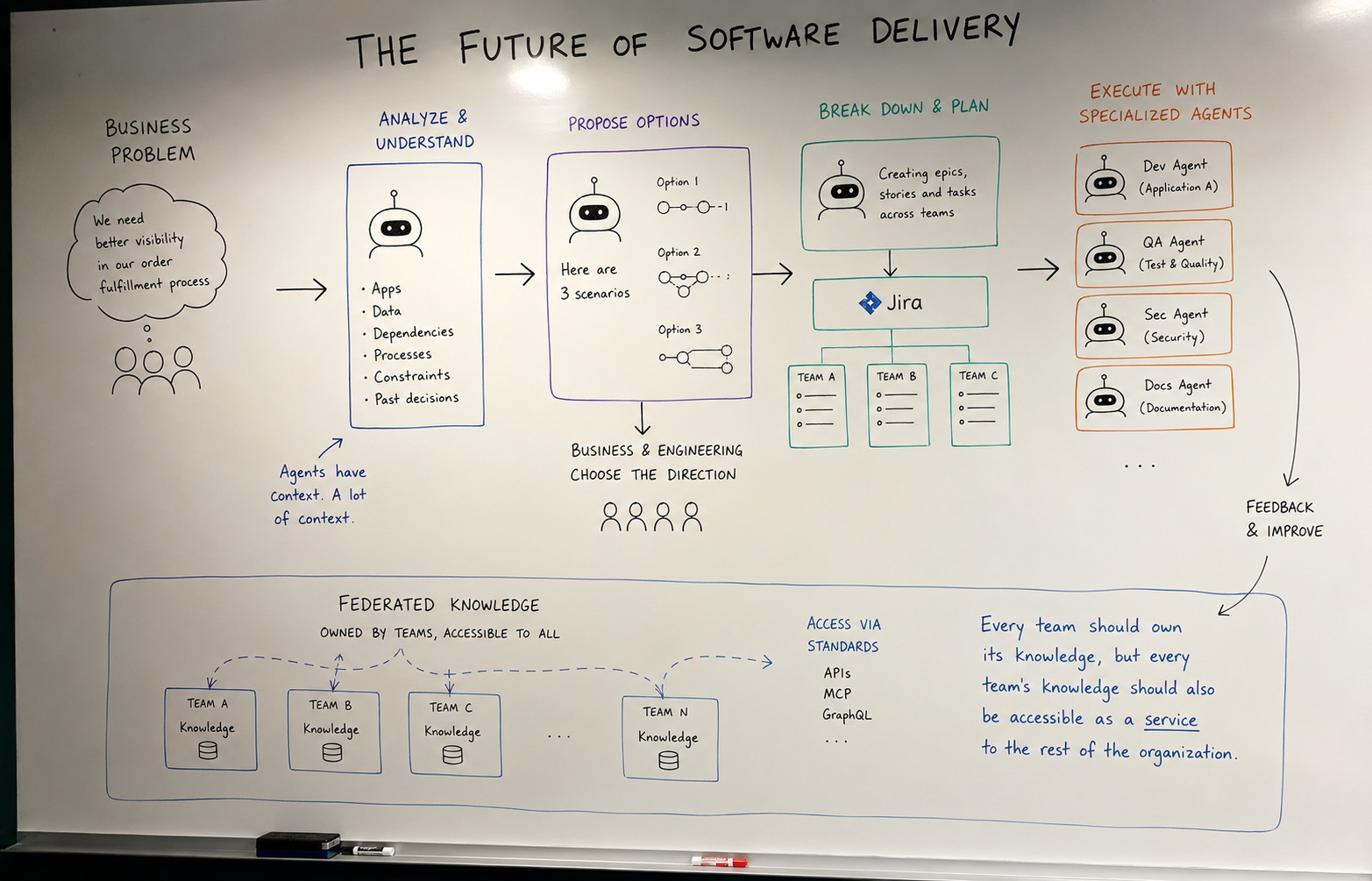
I have been thinking a lot recently about how software delivery is going to evolve over the next few years, and I increasingly believe that we are approaching a much deeper transformation than the one we usually describe when we talk about AI in software engineering. Most of the current discussion still focuses on developer productivity: how AI can help us write code faster, generate tests, explain an unfamiliar codebase, or produce a first version of a pull request. Those capabilities are already useful, and they will obviously continue to improve, but I do not think they represent the most important change ahead of us.
... ➦
We talk a lot about AI right now.
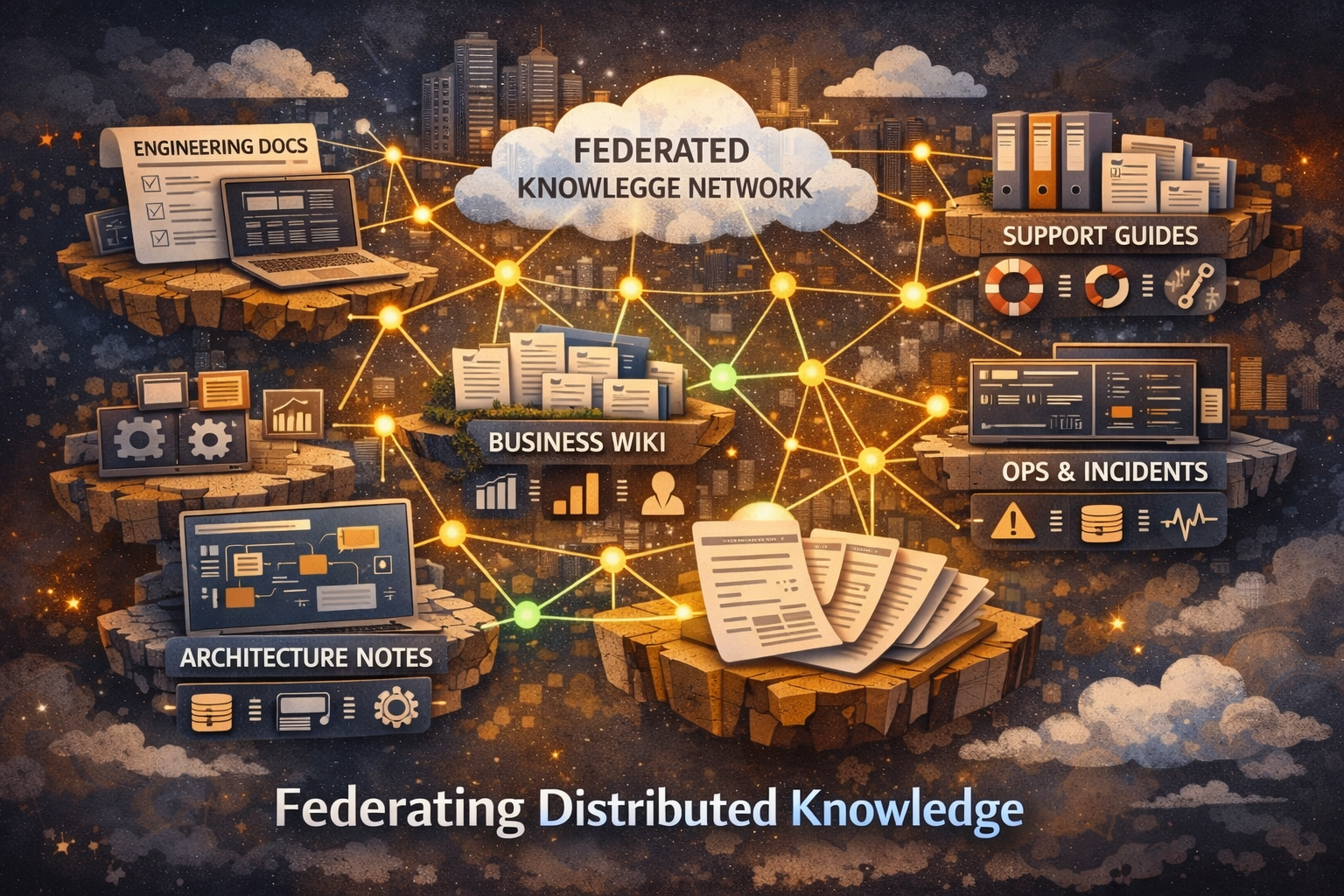
We talk about copilots, agents, RAG, vector databases, knowledge graphs, data platforms, and automation everywhere. We talk about models getting smarter, inference getting cheaper, and interfaces getting more natural.
But I think one of the most important topics is still not discussed enough: context.
Not just data.
Not just documentation.
Not just prompts.
Context.
And more importantly, how we engineer context for the next generation of enterprise applications.
... ➦In the first post, I covered how I got the Blackstone Connect API to stream temperature data into Grafana Cloud. That gave me dashboards, graphs, and alerting.
The thing is, during a cook, I’d still have to open Grafana on my phone, navigate to the dashboard, look at the graph, and try to figure out when my brisket would hit 203°F. What I really wanted was something I could just ask a question to from the backyard.
... ➦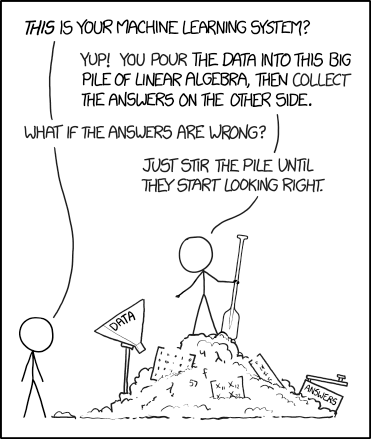
If 85 to 95 percent of AI projects fail to deliver the expected results, it is not because AI technology is weak. It is not due to a lack of models, GPUs, computing power, or technical skills.
One of the root cause in my opinion is usually far simpler, and far more underestimated.
Data is not structured, not accessible, not contextualized, or not reliable.
An AI model is not an oracle.
It does not create value on its own.
It can only exploit what it is given.
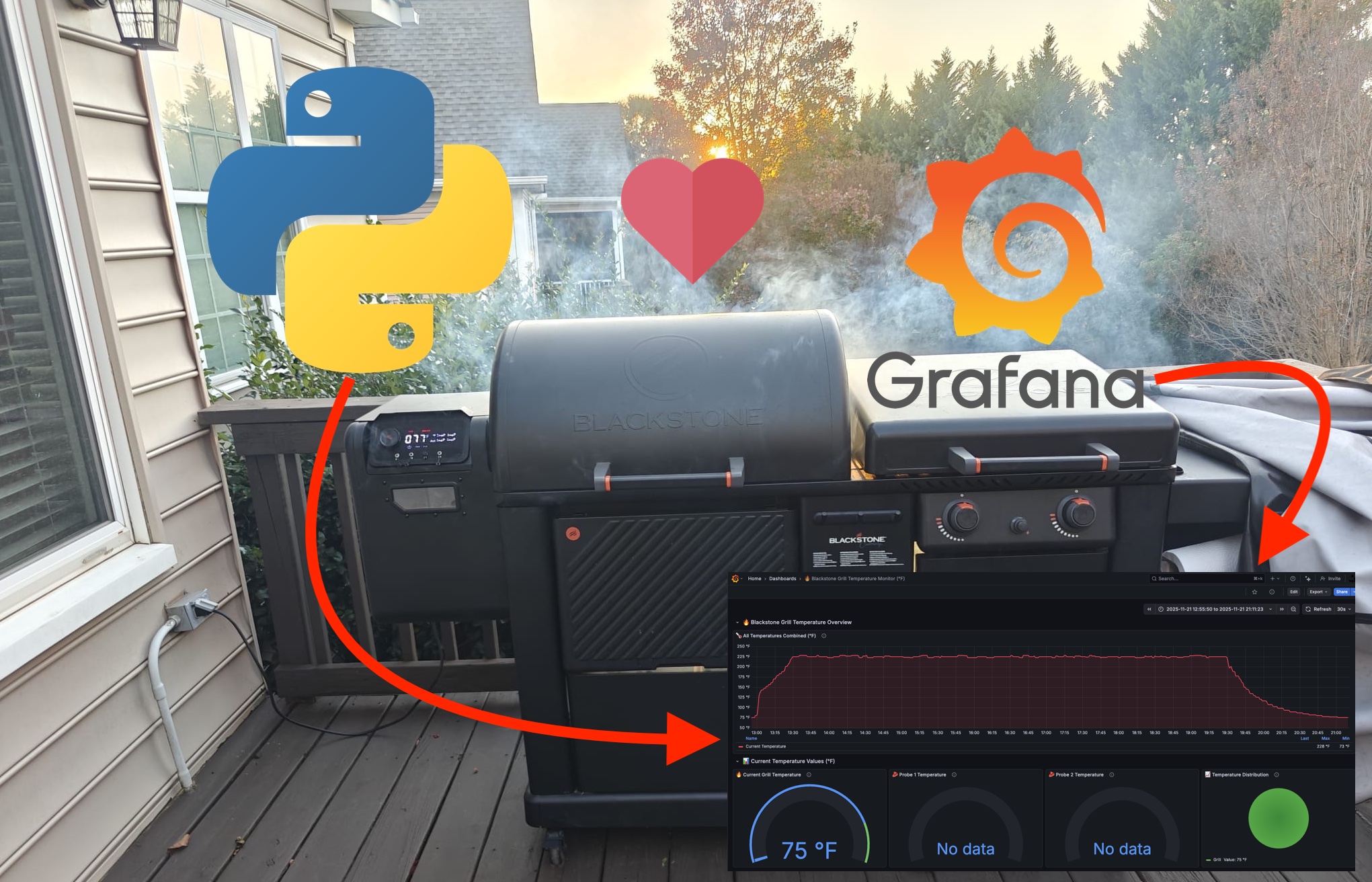
Before diving into the fun details, here is the full data flow of the setup. This shows the journey from the original Blackstone app to the final Grafana dashboard.
 ┌──────────────────┐        ┌──────────────────────────┐
 │  Blackstone APK   │        │  Hidden Blackstone API   │
 │ (reverse engineered)──────▶│ (backend endpoints)       │
 └──────────────────┘        └──────────────────────────┘
                                     │
                                     ▼
                            ┌────────────────┐
                            │  Python Script │
                            │  (collector)   │
                            └────────────────┘
                                     │
                                     ▼
                        ┌──────────────────────────┐
                        │  Prometheus Remote Write │
                        │   via Grafana Cloud      │
                        └──────────────────────────┘
                                     │
                                     ▼
                         ┌─────────────────────────┐
                         │      Grafana Dashboard  │
                         │  (generated by Claude)   │
                         └─────────────────────────┘
I love my Blackstone smoker, but the official Blackstone Connect mobile app was a bit limited for what I wanted. It worked fine, but I could not get long term history, pretty graphs, alerts, or anything close to proper observability. Since I already use Grafana Cloud for a bunch of personal projects, putting the smoker data there became an obvious objective.
... ➦
Take care of your team, and your team will take care of you.
My role has been closer to a coach than a commander. The more I invested in the team’s well being and clarity, the more they owned the product and exceeded expectations.
Challenge the status quo relentlessly.
Efficiency is not about hitting KPIs blindly. It is about constantly asking: could we do this better? That curiosity must be part of the team DNA.
Since 2017, I have created and been maintaining cfptime.org, a community-driven project aimed at centralizing call-for-papers information for information security conferences.
Initially, my first goal was simple: we had an intern joining our team and who was about to work on Django Framework, I didn’t know it and I wanted to know the basics. Additionally, some other goals were simply to have fun, contribute something valuable to the community.
... ➦Connecting Meross MSG100 to TUBAUTO ProCom 7-3 Garage Door: A Quick Guide
Modernizing your garage door to be smart-enabled can greatly enhance convenience and security. The Meross MSG100 Smart Wi-Fi Garage Door Opener offers an easy solution to connect your garage door to your home network, allowing you to control it remotely through the Meross application. If you have a TUBAUTO ProCom 7-3 garage door opener, integrating it with the Meross MSG100 is straightforward with the right guidance.
... ➦